


Did you know that nearly 80% of current online sites might face major technical hurdles by the end of this decade? As we look at the wordpress vs webflow: which website platform is better in 2026? debate, the stakes for business owners have never been higher.
Choosing a website platform today is no longer just about picking a pretty design template. Modern founders must weigh how their digital foundation handles 2026 trends like AI integration and high-speed performance.
A detailed comparison shows that the right choice depends entirely on your specific goals and team resources. Every business model has unique demands that impact your long-term success and budget.
Key Takeaways
- Selection depends on your specific business model and complexity.
- Scalability and growth potential are vital factors for future success.
- Total ownership costs differ significantly across these digital systems.
- Design freedom directly affects how users engage with your brand.
- Maintenance needs vary based on your team’s technical skill level.
- There is no single winner that fits every company’s requirements.
Understanding WordPress and Webflow in 2026
As we dive into 2026, understanding the core differences between WordPress and Webflow is crucial for making an informed decision about your website platform. Both WordPress and Webflow have established themselves as leading solutions in the website development landscape, but they cater to different needs and user bases.
What Is WordPress?
WordPress is a free, open-source content management system (CMS) that has been a cornerstone of website development for nearly two decades. It powers approximately 43% of all websites globally, offering a vast ecosystem of themes, plugins, and community support. WordPress is known for its flexibility, scalability, and the ability to create complex websites without extensive coding knowledge.
Key Features of WordPress:
- Highly customizable with thousands of themes and plugins
- Large community and extensive documentation
- Supports e-commerce, blogs, and complex websites
- Regular updates and security patches
What Is Webflow?
Webflow is a visual, no-code website builder that integrates design, prototyping, and hosting into a single platform. It targets web designers and marketing teams who want to achieve design precision without writing custom code. Webflow allows users to create responsive websites with a drag-and-drop interface, making it an attractive option for those who value design control.
Key Features of Webflow:
- Visual design and development interface
- Integrated hosting and CMS capabilities
- Responsive design and prototyping tools
- Collaboration features for teams
Market Position and Popularity in 2026
In 2026, both WordPress and Webflow continue to hold significant market share, albeit in different segments. WordPress remains the dominant CMS for blogs, e-commerce sites, and complex web applications due to its extensive customization capabilities and large community. Webflow, on the other hand, is gaining traction among designers and businesses looking for a streamlined, visually oriented website development process.
| Platform | Market Share | User Base |
|---|---|---|
| WordPress | 43% | Developers, Businesses, Bloggers |
| Webflow | 5% | Designers, Marketing Teams, SMEs |
The market position of both platforms highlights their strengths and the different needs they cater to. While WordPress is a versatile CMS with a broad user base, Webflow excels in providing a design-centric, user-friendly website development experience.
Ease of Use and Learning Curve
Ease of use is a critical consideration when choosing between WordPress and Webflow for your website needs in 2026. Both platforms have their unique approaches to website design and management, catering to different user preferences and skill levels.
WordPress User Experience
WordPress is known for its simplicity and clarity in user interface. It uses straightforward terminology that most users can understand without extensive technical knowledge.
The dashboard is intuitive, making it easier for users to manage content, install themes, and add plugins. However, the vast array of options and customization possibilities can sometimes overwhelm beginners.
Webflow User Experience
Webflow’s visual editor stands out with its highly intuitive, drag-and-drop interface. This feature allows designers and developers to create complex layouts and interactions without writing code.
The platform is particularly appealing to those with a background in design, as it offers a more visual approach to website building. Nonetheless, the richness of features and functionalities can present a steep learning curve for those without prior experience in web design.
Which Platform Is Easier for Beginners?
For beginners, WordPress might have a slight edge due to its simpler interface and clearer terminology. The extensive community and documentation available for WordPress also contribute to its accessibility.
However, Webflow’s visual editor can be very appealing to those who prefer a hands-on, design-focused approach. Ultimately, the ease of use depends on the individual’s background and preferences.
Both platforms offer unique strengths and cater to different needs. Understanding these differences is key to choosing the platform that best suits your website goals.
Design Flexibility and Customization Options
Both WordPress and Webflow offer unique approaches to design flexibility and customization, catering to different user needs. This section will delve into the specifics of how each platform allows users to create and customize their websites.
WordPress Theme System and Page Builders
WordPress is renowned for its vast array of themes and page builders, which provide users with a wide range of customization options. With thousands of free and premium themes available, users can easily change the look and feel of their website.
Some popular page builders for WordPress include Elementor, Beaver Builder, and Divi Builder. These tools offer drag-and-drop functionality, making it easier for users to design their websites without needing to write code.
Webflow’s Visual Design Capabilities
Webflow’s visual editor enables users to create pixel-perfect responsive designs without being constrained by pre-built templates or premium themes. This capability allows for a high degree of customization.
“Webflow’s visual design tools allow designers to create complex, responsive layouts without writing code, making it an attractive option for those who value design flexibility.”
Custom Code and Advanced Customization
Both platforms allow for custom code and advanced customization. WordPress, with its extensive community, offers numerous plugins and themes that can be customized further with code.
| Customization Aspect | WordPress | Webflow |
|---|---|---|
| Theme/System Customization | Thousands of themes, highly customizable | Visual editor for responsive design |
| Page Builders/Design Tools | Elementor, Beaver Builder, Divi Builder | Built-in visual design tools |
| Custom Code Support | Yes, through plugins and themes | Yes, for advanced designs |
Pricing and Total Cost of Ownership
When evaluating WordPress and Webflow, understanding the pricing models is crucial for making an informed decision. Both platforms have different cost structures that can significantly impact your overall expenditure.
WordPress Costs Breakdown
WordPress can start with a low initial cost, but expenses can escalate with the addition of premium themes, plugins, and other features. The costs associated with WordPress include:
- Domain registration
- Web hosting
- Premium themes and plugins
- Custom development or hiring a developer for customization
- Security and SEO plugins
Initial costs can be as low as $5-10 per month for basic hosting and a free theme. However, as you add more features and services, the cost can increase substantially.
Webflow Pricing Structure
Webflow offers a more predictable pricing model with hosting included in its plans. The costs are primarily based on the features you need and the traffic your site receives.
- Basic plans start at $12 per month (billed annually) for a site with limited pages and features.
- E-commerce plans are available, with costs varying based on the number of products and transactions.
- Additional costs may be incurred for custom integrations or advanced features.
Webflow’s pricing is more straightforward, with most costs being transparent and predictable.
Long-Term Cost Comparison
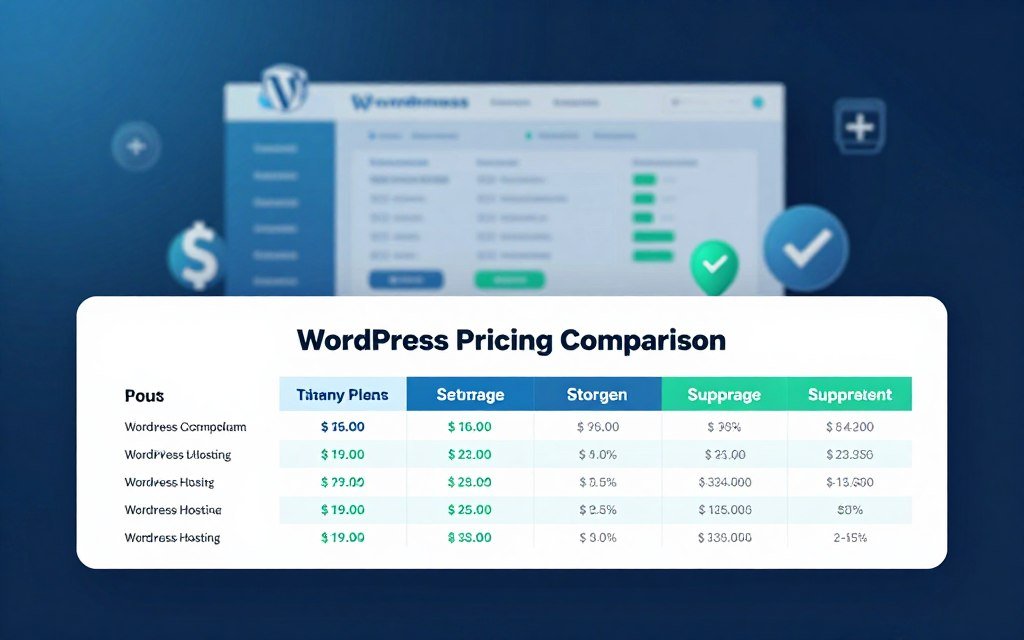
To compare the long-term costs effectively, let’s examine a detailed breakdown:
| Feature | WordPress | Webflow |
|---|---|---|
| Basic Setup | $5-10/month | $12/month |
| Premium Themes/Design | $50-100 (one-time) | Included in higher plans or $20-50 (one-time) |
| Hosting | $3-25/month (varies by host) | Included |
| SEO and Security Plugins | $50-100/year | Included in higher plans |
| E-commerce Functionality | $100-300 (plugin and setup) | $25-45/month (depending on plan) |
WordPress can be more cost-effective initially but may become more expensive as you add features. Webflow, while having a higher upfront cost, includes many features in its pricing, making it more predictable.
SEO Capabilities and Performance
In the digital landscape of 2026, understanding the SEO capabilities of website platforms like WordPress and Webflow is essential for online success. Both platforms have evolved to offer robust SEO tools, but they differ in their approaches.
WordPress SEO Features and Plugins
WordPress is renowned for its extensive ecosystem of SEO plugins, with Yoast SEO and All in One SEO Pack being among the most popular. These plugins offer advanced features such as keyword optimization, meta tags management, and content analysis, making it easier for users to optimize their websites for search engines.
The flexibility of WordPress allows users to choose from a wide range of SEO plugins, each offering unique features and capabilities. This flexibility is a significant advantage for users who require specific SEO functionalities.
Webflow’s Built-In SEO Tools
Webflow, on the other hand, offers built-in SEO controls that allow users to manage meta tags, headings, and other SEO elements directly within its visual design interface. This streamlined approach to SEO makes it easier for designers and developers to optimize websites without needing additional plugins.
Webflow’s SEO-friendly design capabilities ensure that websites built on the platform are inherently optimized for search engine crawling and indexing.
Page Speed and Core Web Vitals
Page speed is a critical factor in SEO, and both WordPress and Webflow offer tools and features to enhance it. WordPress users can leverage caching plugins and optimization tools to improve page speed, while Webflow’s managed hosting and CDN infrastructure provide a strong baseline for performance.
| Platform | SEO Features | Page Speed Optimization |
|---|---|---|
| WordPress | Extensive SEO plugins (e.g., Yoast SEO) | Caching plugins and optimization tools |
| Webflow | Built-in SEO controls | Managed hosting and CDN infrastructure |
Which Platform Ranks Better in 2026?
The ranking capability of a platform depends on various factors, including the implementation of SEO best practices and the technical performance of the website. While WordPress offers flexibility through its plugin ecosystem, Webflow’s streamlined SEO tools and managed performance provide a solid foundation for achieving good search engine rankings.
Ultimately, the choice between WordPress and Webflow for SEO purposes will depend on the specific needs and preferences of the user. Both platforms have the potential to deliver SEO-friendly websites that can rank well in search engines.
E-commerce Functionality
When it comes to setting up an online store, both WordPress and Webflow offer robust e-commerce solutions, but they differ in their approach. Understanding these differences is crucial for businesses aiming to establish a strong online presence.
WooCommerce for WordPress
WordPress is renowned for its e-commerce capabilities, primarily through the WooCommerce plugin. WooCommerce is a highly customizable and scalable solution that supports complex online stores. It offers a wide range of features, including inventory management, shipping integrations, and various payment gateways. With thousands of extensions available, WooCommerce can be tailored to meet the specific needs of any business.
The flexibility of WooCommerce is one of its strongest advantages. It allows businesses to start small and scale their e-commerce operations as they grow. Moreover, WooCommerce is SEO-friendly, ensuring that online stores built on WordPress are optimized for search engines, thereby improving visibility and driving organic traffic.

Webflow E-commerce
Webflow has also entered the e-commerce space with its dedicated plans and built-in functionality. Webflow E-commerce allows users to create visually stunning online stores with ease, leveraging the platform’s design capabilities. It includes features such as product management, order management, and integration with various payment gateways.
However, Webflow’s e-commerce functionality, while robust, has limitations when it comes to scalability compared to WooCommerce. Businesses with complex e-commerce needs may find Webflow’s solutions somewhat restrictive. Nonetheless, for many users, Webflow’s e-commerce features are more than sufficient, especially for those already familiar with the platform’s design tools.
Payment Gateways and Scalability
Both WooCommerce and Webflow E-commerce support multiple payment gateways, making it easy for businesses to accept payments from customers worldwide. However, the scalability of these platforms differs significantly. WooCommerce, with its extensive range of extensions and customization options, is generally more scalable than Webflow.
For businesses anticipating significant growth or already handling large volumes of sales, WooCommerce’s scalability is a major advantage. On the other hand, businesses with simpler e-commerce needs or those deeply invested in Webflow’s design ecosystem may find Webflow E-commerce to be a suitable choice.
Security and Maintenance Requirements
Security and maintenance requirements are key factors in determining the suitability of a website platform, with both WordPress and Webflow offering distinct approaches.
WordPress, being an open-source platform, requires a more hands-on approach to security. This includes regular updates to the core software, themes, and plugins, as well as implementing security measures such as firewalls and malware scanning. Manual attention to security updates and monitoring is crucial to prevent vulnerabilities.
WordPress Security Considerations
For WordPress users, security is a multi-faceted concern. It involves:
- Keeping the WordPress core, themes, and plugins updated
- Using security plugins for monitoring and protection
- Implementing strong passwords and user roles
- Regular backups of the site
While this provides a high degree of control, it also means that site owners must be proactive in maintaining security.
Webflow’s Managed Security
Webflow, on the other hand, offers a more managed approach to security. By handling the hosting infrastructure, Webflow reduces the operational security workload for its users. This includes:
- Automatic updates and patches for the platform
- Built-in security features such as SSL encryption
- DDoS protection
Webflow’s managed security allows users to focus on designing and developing their sites, knowing that the underlying infrastructure is secure.
Backup and Update Management
Both platforms require some form of backup and update management. For WordPress, this means manually updating plugins and themes, as well as scheduling backups. Webflow simplifies this process with automatic backups and updates, ensuring that sites are always running with the latest security patches.
| Feature | WordPress | Webflow |
|---|---|---|
| Security Updates | Manual | Automatic |
| Backup Management | Manual (via plugins) | Automatic |
| Security Features | Plugin-dependent | Built-in (SSL, DDoS protection) |
In conclusion, while both WordPress and Webflow have their security and maintenance requirements, they cater to different needs and preferences. WordPress offers flexibility and control but demands more manual effort, whereas Webflow provides a more streamlined, managed experience.
Community Support and Resources
Community support and resources play a crucial role in determining the viability of a website platform for developers and users alike. Both WordPress and Webflow understand this importance and have developed their own ecosystems to support their users.
WordPress Community and Documentation
WordPress boasts an enormous global community with extensive documentation. The platform’s open-source nature has fostered a vast ecosystem of developers, designers, and users who contribute to its growth and support. With thousands of free and paid themes, plugins, and widgets available, WordPress users have access to a wealth of resources to customize and enhance their websites.
Key benefits of the WordPress community include:
- Extensive documentation and guides
- Large global community for support and networking
- Vast array of third-party plugins and themes
Webflow University and Support
Webflow, on the other hand, has been rapidly expanding its support resources, including Webflow University, which offers comprehensive tutorials and guides for users. Webflow’s support team is also available to help with technical issues and provide guidance on using the platform.
Webflow’s support resources include:
- Webflow University for tutorials and guides
- Responsive support team for technical issues
- Growing community of designers and developers
Third-Party Resources and Developers
Both platforms benefit from third-party resources and developers who create plugins, templates, and other tools that enhance their functionality. For WordPress, this means a vast marketplace of plugins and themes. For Webflow, it means a growing library of templates and integrations with other services.
To better understand the differences between WordPress and Webflow’s community support and resources, let’s examine a comparative analysis.
| Feature | WordPress | Webflow |
|---|---|---|
| Community Size | Large, global community | Growing community |
| Documentation | Extensive documentation | Comprehensive tutorials and guides |
| Third-Party Resources | Thousands of plugins and themes | Growing library of templates and integrations |

WordPress vs Webflow: Which Website Platform Is Better in 2026?
In 2026, understanding the strengths and weaknesses of WordPress and Webflow is essential for making an informed decision about your website platform. Both platforms have their unique advantages and are suited for different types of projects.
Best Use Cases for WordPress
WordPress is highly recommended for businesses that prioritize SEO capabilities, scalability, and long-term growth. Its extensive library of plugins and themes makes it highly customizable.
- E-commerce sites using WooCommerce
- Blogs and content-driven websites
- Large-scale corporate websites
Best Use Cases for Webflow
Webflow is particularly suited for small businesses, web designer portfolios, and creative projects that require quick deployment with limited technical requirements. Its visual design capabilities make it ideal for designers.
- Portfolio websites for designers and artists
- Small to medium-sized business websites
- Prototyping and MVP (Minimum Viable Product) development
Decision Framework for Your Project
When deciding between WordPress and Webflow, consider the following factors:
| Factor | WordPress | Webflow |
|---|---|---|
| SEO Capabilities | Highly customizable with plugins | Built-in SEO tools, but limited customization |
| Design Flexibility | Highly flexible with page builders and custom code | Highly visual and intuitive design interface |
| E-commerce Functionality | Robust e-commerce capabilities with WooCommerce | E-commerce features available, but less extensive than WooCommerce |
By evaluating these factors against your project’s needs, you can make an informed decision about which platform is best for you in 2026.
Conclusion
As we navigate the landscape of website development in 2026, the comparison between WordPress and Webflow reveals distinct strengths and weaknesses in each platform. The choice between them ultimately depends on whether your business requires a managed platform for simplicity or an open ecosystem for deeper customization.
In 2026, a growing trend is the adoption of hybrid approaches that leverage Webflow for front-end performance and external tools for advanced functionality. This blend allows businesses to capitalize on the unique benefits of each platform, creating a more flexible and powerful digital presence.
When evaluating these options, consider your project’s specific needs, including design flexibility, e-commerce functionality, and SEO capabilities. By understanding the 2026 trends and how they impact the choice between WordPress and Webflow, you can make an informed decision that aligns with your business goals.
